
Diamond hoop earrings have remained popular for decades, but their designs continue to evolve. From delicate everyday pieces to bold statement earrings, hoops offer versatility that few other jewelry styles can match. The growing interest in man made diamonds hoops has also introduced more options for shoppers who appreciate fine jewelry without traditional mined diamond pricing.
These earrings combine familiar silhouettes with modern diamond production methods. Understanding their materials, construction, and design differences can help buyers choose a pair that suits their lifestyle.
Why Diamond Hoops Remain Popular
Hoop earrings frame the face while adding movement and sparkle. Unlike studs, which stay close to the earlobe, hoops create a visible outline that complements different hairstyles and outfits.
Small diamond hoops work particularly well for everyday wear. Larger designs can become the focal point of an evening look, especially when paired with simple clothing.
Their versatility also makes them appealing as gifts. A well-chosen pair can suit birthdays, anniversaries, or personal milestones without feeling tied to a passing fashion trend.
The Appeal of Laboratory-Grown Diamonds
One reason man made diamonds hoops have gained attention is the availability of laboratory-grown stones. These diamonds share the same essential chemical composition and crystal structure as natural diamonds.
Manufacturers generally produce them through two methods: High Pressure High Temperature (HPHT) and Chemical Vapor Deposition (CVD). Both processes create genuine diamonds under controlled conditions rather than extracting them from the earth.
According to the Gemological Institute of America (GIA), lab created diamonds have essentially the same optical, physical, and chemical properties as natural diamonds. Their origin differs, but both materials can display the brilliance and hardness associated with diamond jewelry.
Laboratory-grown diamonds typically cost less than comparable natural stones. However, prices still vary according to quality, size, certification, and jewelry craftsmanship.
Hoop Designs Worth Considering
Not every diamond hoop delivers the same appearance or wearing experience. Diameter, thickness, stone placement, and setting style influence both comfort and visual impact.
Huggies and Small Hoops
Huggies sit close to the earlobe, creating a compact, polished appearance. Their smaller dimensions make them suitable for office wear, casual outfits, and multiple ear piercings.
Some feature diamonds along the front surface, while others incorporate stones around the entire hoop. Front-facing settings usually offer a more economical option because they require fewer diamonds.
Medium and Large Hoops
Medium hoops provide more noticeable movement without becoming excessively heavy. They pair naturally with open-neck tops, tailored jackets, and evening dresses.
Larger hoops create a stronger statement, although weight deserves attention. Hollow metal construction or carefully spaced stones can help reduce discomfort during extended wear.
Inside-Out Diamond Hoops
Inside-out designs position diamonds along the outer front curve and inner back curve. This arrangement keeps more stones visible from the front.
The design creates substantial sparkle without requiring diamonds across every surface. Buyers should inspect the settings carefully because exposed stones may experience more contact during handling.
Evaluating Diamond and Metal Quality
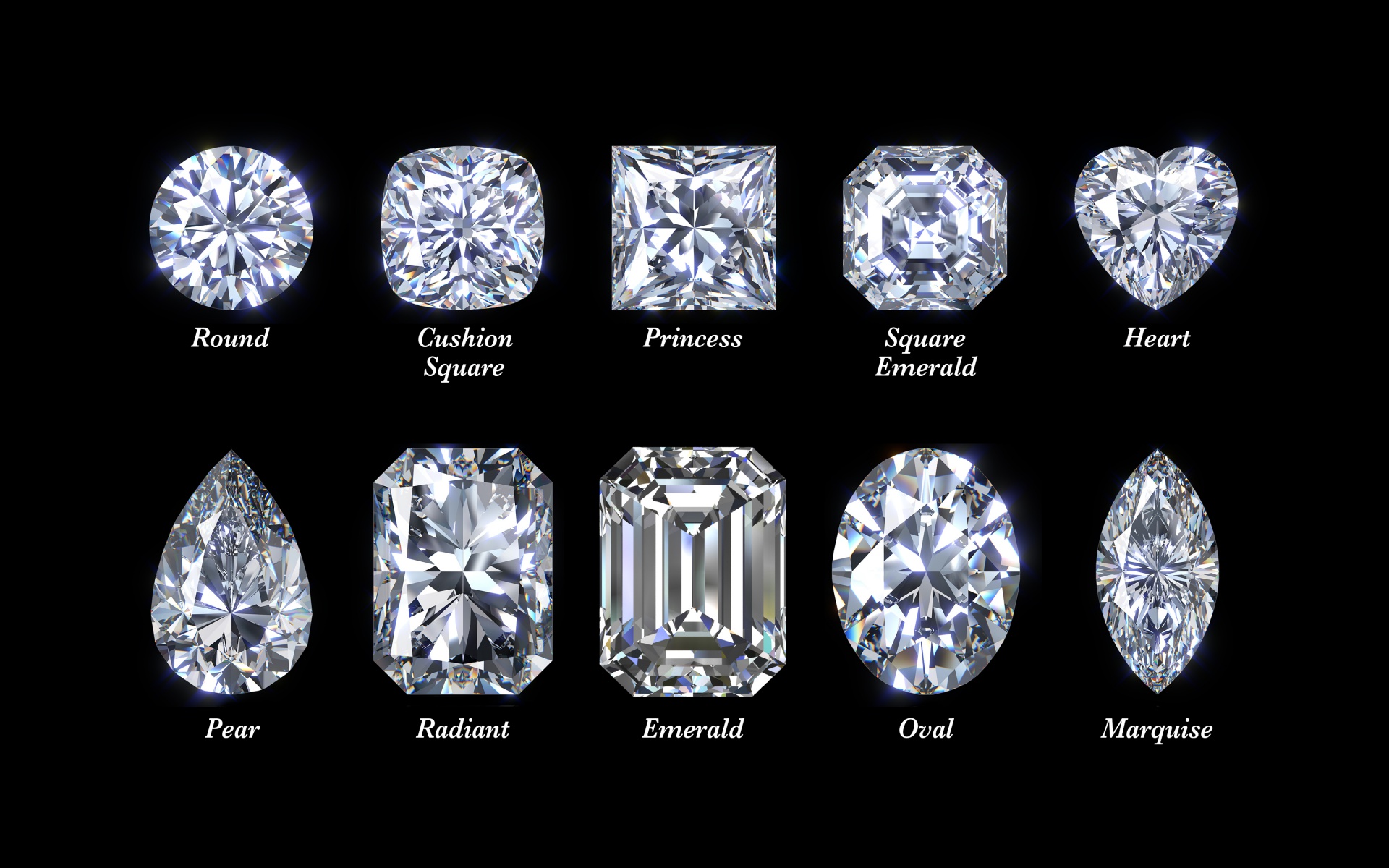
Diamond quality influences the appearance and value of finished earrings. The traditional four Cs, cut, color, clarity, and carat weight, remain useful evaluation criteria.
Cut quality affects how effectively a diamond reflects light. Color and clarity describe visible characteristics, while carat weight measures the stone’s mass.
For hoop earrings containing numerous small diamonds, consistency matters particularly. Stones with noticeably different colors or proportions can make the finished design appear uneven.
Metal selection is equally significant. Popular options include 14K and 18K gold in yellow, white, and rose tones.
Fourteen-karat gold generally offers greater resistance to everyday wear than higher-purity gold alloys. Platinum provides another durable option, although its weight and cost may be higher.
Comfort, Security, and Everyday Maintenance
A beautiful pair of earrings should also feel comfortable. Before purchasing man made diamonds hoops, examine the clasp mechanism, overall weight, and how securely the stones are mounted.
Hinged closures and locking posts are common choices. A properly functioning clasp should close firmly without requiring excessive pressure.
Regular cleaning helps maintain brilliance. Warm water, mild dish soap, and a soft brush can remove ordinary residue from many diamond and gold settings.
Avoid harsh chemicals and abrasive cleaning materials. Jewelry with delicate settings may benefit from professional inspection, particularly if worn frequently.
Store hoops separately to reduce scratching and prevent the earrings from becoming tangled with other pieces.
Making a Thoughtful Purchase
Choosing diamond hoops involves more than selecting the largest stones within a budget. Consider how frequently the earrings will be worn, their intended setting, and the wearer’s preferred metal color.
Request clear information about diamond origin, metal purity, total carat weight, and return policies. For larger stones, independent grading documentation can provide additional confidence.
The expanding selection of lab created diamonds gives buyers greater flexibility in balancing appearance, craftsmanship, and price. A carefully constructed pair with secure settings and comfortable proportions will often provide more lasting satisfaction than a larger design chosen for sparkle alone.