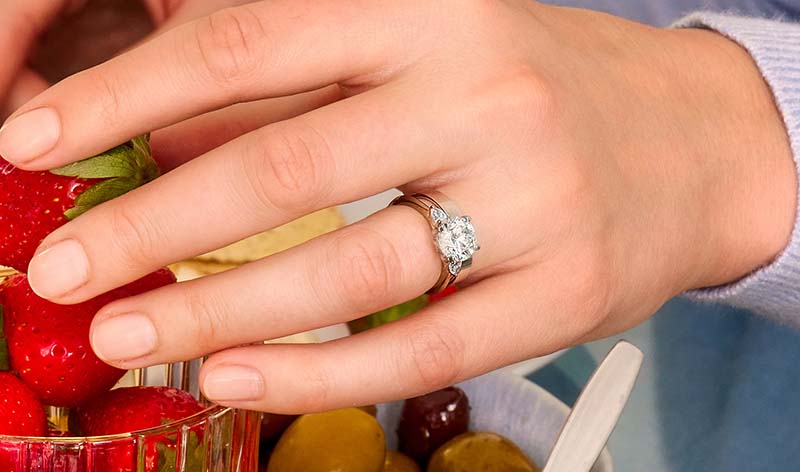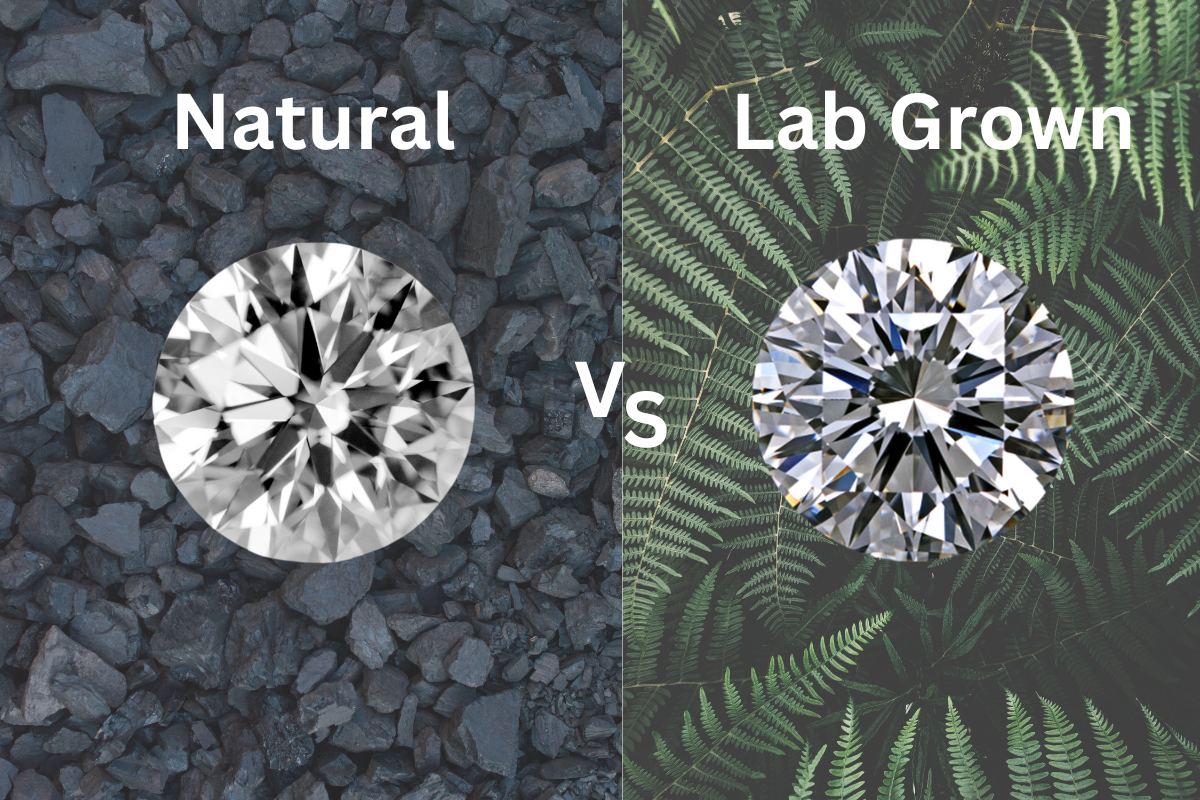

Diamonds have long been considered the ultimate symbol of luxury, beauty, and permanence. Whether for engagement rings, jewelry, or other high- end accessories, they remain a go- to choice for significant life events. still, with the growing interest in sustainability and ethical practices, lab made diamonds vs real have surfaced as a popular volition to their natural counterparts. But how do these two types of diamonds mound up against each other? Is a lab- made diamond any less precious than a” real” diamond? In this composition, we’ll explore the differences between lab- made and natural diamonds to help you make an informed decision.
What Are Lab- Made Diamonds?
Lab created diamonds, also known as lab- created, man- made, or synthetic diamonds, are diamonds that are produced in a laboratory setting, rather than being booby-trapped from the earth. These diamonds are created through two primary styles
High Pressure High Temperature( HPHT) – This system mimics the natural conditions under which diamonds are formed in the Earth’s mantle by applying high pressure and temperature to carbon.
Chemical Vapor Deposition( CVD) – CVD involves using a gas admixture to deposit carbon tittles on a substrate, which ultimately forms lab made diamonds vs real chargers over time.
Both styles affect in diamonds that are chemically and physically identical to natural diamonds.
What Are Real( Natural) Diamonds?
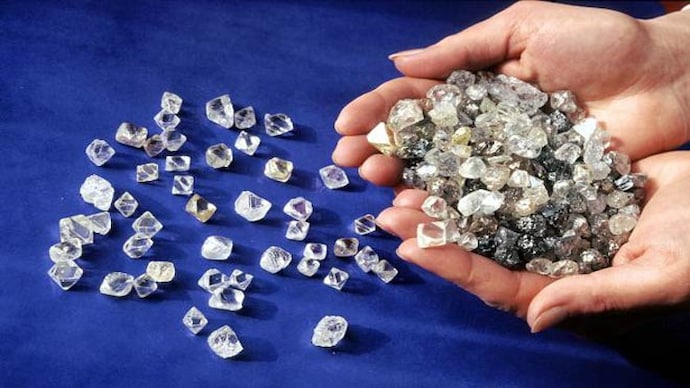
Natural diamonds are formed deep within the Earth under extreme pressure and temperature conditions over millions, occasionally billions, of times. The carbon tittles in natural diamonds bond in a liquid structure, which is responsible for their hardness, brilliance, and beauty.
The process of mining these lab created diamonds vs real involves rooting them from the Earth’s crust, a process that can be labor- ferocious, precious, and occasionally dangerous to the terrain. As a result, natural diamonds are frequently associated with enterprises about their environmental and ethical impact.
crucial Differences Between Lab- Made and Real Diamonds
1. Origin and Sustainability
Lab- Made Diamonds One of the main advantages of lab- made diamonds is that they’re environmentally friendly and sustainable. Since they’re created in a lab, no mining is involved, which reduces the negative impact on ecosystems, reduces carbon vestiges, and eliminates the ethical enterprises girding diamond mining( similar as child labor and unsafe working conditions).
Natural Diamonds Mining for natural diamonds can be destructive to the terrain. It frequently leads to niche destruction, pollution, and significant carbon emigrations. also, diamonds from regions with poor labor norms or political insecurity may have ethical counteraccusations , leading to the rise of terms like” conflict diamonds.”
2. Appearance and Quality
Lab- Made Diamonds Lab- created diamonds are nearly identical to natural diamonds. They’ve the same chemical composition( pure carbon) and crystal clear structure, meaning they retain the same brilliance, sparkle, and continuity as booby-trapped diamonds. In fact, the Gemological Institute of America( GIA) and other estimable gem labs certify lab made diamonds vs real, icing their quality is over to par with natural diamonds.
Natural Diamonds Natural diamonds can vary greatly in terms of color, clarity, cut, and carat weight. These defects, known as eliminations and mars, form over millions of times and can be seen in some diamonds. While numerous natural diamonds are free from visible excrescencies, they’re generally more precious due to their oddity and the labor- ferocious process involved in carrying them.
3. Price
Lab- Made Diamonds Generally, lab created diamonds are significantly more affordable than their natural counterparts. On average, a lab- created diamond can bring 30 to 40 lower than a natural diamond of analogous size and quality. This price difference is due to the more controlled and effective product process in labs, as well as the absence of the costs associated with mining.
Natural Diamonds Natural diamonds tend to have a advanced price label due to their failure, the costs associated with mining, and the perceived oddity. As diamonds are booby-trapped less constantly and involve longer timelines for birth, natural diamonds frequently hold their value more over time. still, they may be subject to shifting request conditions.
4. continuity and Hardness
Lab- Made Diamonds Lab- created diamonds are just as durable and hard as natural diamonds. Both types of diamonds score a 10 on the Mohs scale of hardness, meaning they’re the hardest known substance on Earth. This makes both natural and lab- created diamonds ideal for diurnal wear and tear, including in engagement rings or other fine jewelry.
Natural Diamonds Since natural diamonds are formed over millions of times, they also retain unmatched continuity and hardness. Natural diamonds are resistant to scrapes and other damage, making them a dependable choice for long- lasting jewelry.
5. oddity and Value
Lab- Made Diamonds While lab- made diamonds are n’t as rare as natural diamonds, their value is frequently considered lower because they can be produced in large amounts. still, this does n’t inescapably make them inferior. Lab- created diamonds are still largely precious due to their beauty, quality, and ethical sourcing.
Natural Diamonds The oddity of natural diamonds is a significant factor that contributes to their value. They’re set up in only a many places on Earth, which makes them both a limited resource and a symbol of status. This failure, combined with their rich history, contributes to their advanced price point.
6. Resale Value
Lab- Made Diamonds Lab- created diamonds generally have a lower resale value than natural diamonds. This is because they’re more extensively available and have lower perceived oddity. still, if you’re copping
a diamond for particular use and not with resale in mind, this may not be a significant concern.
Natural Diamonds Natural diamonds tend to hold their value more over time, particularly if they’re of high quality. Some natural diamonds, especially rare bones
with specific characteristics( similar as color or size), can indeed appreciate in value. still, like all rocks
, request conditions can impact their resale price.
Which One Should You Choose?
The decision between lab- made and natural diamonds eventually depends on particular preference, ethical values, and budget.
Go for a Lab- Made Diamond If
- You prioritize sustainability and want to avoid the ethical enterprises associated with diamond mining.
- You’re looking for a more affordable diamond without compromising on quality or appearance.
- You like the idea of supporting innovative, environmentally conscious technology.
Go for a Natural Diamond If
- You value oddity and the traditional notion of a” real” diamond.
- You’re looking for a diamond that may hold or increase its value over time.
- You’re drawn to the rich history and natural origins behind the diamond.
Conclusion
Both lab- made diamonds and natural diamonds have their own unique rates and benefits. Lab- made diamonds offer a further ethical and cost-effective volition without immolating beauty or continuity, while natural diamonds carry the weight of oddity and tradition. Eventually, it’s up to you to decide which type of diamond aligns stylish with your values and preferences. Whatever you choose, both types of diamonds are beautiful, enduring, and perfect for celebrating life’s most special moments.